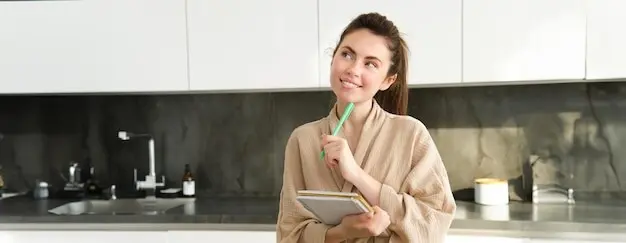
Design Your Home to Nudge Better Habits


Let’s explore Choice Architecture for Daily Habits at Home, turning small environmental cues into reliable allies. By rearranging spaces, adjusting defaults, and designing gentle prompts, you can make healthy actions easy and tempting while adding tiny obstacles to less helpful routines. Expect practical ideas, relatable stories, and experiments you can try this week. Celebrate progress, share results, and build a home that quietly guides better decisions without nagging, guilt, or endless willpower.

Morning Routines That Start The Day Right

Reduce Friction, Increase Follow-Through

People repeat what feels effortless. By trimming steps, grouping essentials, and engineering smoother paths, you make beneficial actions your default reflex. Equally, tiny speed bumps deter habits you’re ready to retire. Adjust containers, doorways, and storage heights so the helpful option wins the micro-second contest inside busy days.

Make Good Choices Effortless

Bundle supplies where actions begin: yoga mat with blocks by the TV, vitamins beside breakfast spoons, notebooks with pens at the reading chair. Pre-portion snacks in clear containers. Install hooks, trays, and labels that reduce hunting time. Ease is persuasive; when friction fades, consistency blossoms.

Add Tiny Roadblocks to Unwanted Behaviors

Give temptations extra steps: wrap remote controls in a drawer far from the couch, move dessert plates to a high cabinet, and log out of streaming apps each night. Add a two-minute pause ritual before scrolling. Mild inconvenience nudges attention back to plans you actually value.

Create Visible Reminders

Use bright sticky notes on the fridge edge, a whiteboard near the door, or calendar tiles on a tablet dock. Pair reminders with locations tied to the behavior. Rotate formats weekly to prevent blindness. Visibility keeps promises fresh when energy dips or routines feel stale.

Placement, Proximity, and Salience

Where objects live shapes what you do. Place helpful items where your eyes, hands, and feet naturally travel, and make them noticeable through contrast, lighting, and texture. Hide distractions in opaque bins or distant rooms. Subtle rearrangements nudge your instincts, making preferred behaviors feel obvious, natural, and inviting.

Defaults, Checklists, and If-Then Plans

Decisions are tiring; defaults conserve clarity. Prepare standard setups for meals, cleaning sprints, and wind-down moments. Pair if-then intentions with real locations and times. Checklists by hotspots reduce forgetting and second-guessing. When the next step is visible and prearranged, resolve strengthens while stress loosens its grip.

Default Settings at Home

Set the thermostat, blinds, and smart plugs to create reliable rhythms. A nightly routine scene can dim lights, queue calming audio, and shut distracting apps. Pantry staples with routine delivery keep planning simple. When supportive conditions trigger automatically, your best choices arrive ready to go, right on time.

Implementation Intentions That Stick

Write clear if-then cues: If coffee brews, then stretch for two minutes; if shoes hit the mat, then start the timer. Post them near the action. Specificity outperforms willpower, translating vague hopes into reliable scripts your environment echoes back every single morning.

Stories from Real Homes

Small experiments often spark outsized change. Families rearranged kitchens, roommates redesigned living rooms, and solo dwellers curated cozy corners. Each home discovered a surprising lever: height, timing, color, or ritual. These brief snapshots show how ordinary constraints, not heroic effort, can unlock steadier energy, health, and focus.

The Water Jug That Changed Evenings

Kara placed a glass jug on the table at five each afternoon, adding lemon slices for color. Her family casually refilled glasses through dinner, halving soda purchases within a month. The jug’s beauty and placement did the coaching, no lectures required, just steady, visible encouragement.

A Basket by the Door Saved Running Shoes

Marcus kept losing motivation until a wicker basket near the exit held socks, keys, headphones, and a tiny rain jacket. Weeknight runs doubled because preparation shrank. The basket created a reliable on-ramp, turning five scattered tasks into one reach, one motion, one confident step outside.

The Screen-Free Nook That Rebuilt Attention

Ana slid a comfy chair beside a bookshelf, hid chargers in a distant drawer, and added a lamp with a warm pool of light. Reading reclaimed evenings. The nook’s comfort outcompeted streaming, not through discipline, but because the easier, lovelier path finally aligned with her intentions.

One Change Per Week

Limit ambition to a single experiment, such as moving fruit to the center shelf or placing the yoga mat by the door. Log outcomes daily. Focus builds learning. By lowering stakes, you collect clearer signals and stack undeniable wins without burnout or noisy, overlapping variables.

Tiny Metrics, Big Insights

Count glasses of water within reach, minutes spent in a reading chair, or times the remote stayed in its drawer. Favor easy numbers over perfect ones. Trends beat precision here. When tracking feels simple, feedback loops close faster, strengthening motivation and guiding smarter adjustments tomorrow.

Invite Household Feedback

Hold a short check-in with housemates or family on Sundays. Ask what felt smoother, what felt annoying, and what could shift next. Rotate responsibilities playfully. When everyone can tweak the environment, commitment grows, conflicts shrink, and the home becomes a shared ally for daily wellbeing and purpose.

Siratavotelidexo
Privacy Overview

This website uses cookies so that we can provide you with the best user experience possible. Cookie information is stored in your browser and performs functions such as recognising you when you return to our website and helping our team to understand which sections of the website you find most interesting and useful.